
If you have a tree-related query, we offer a free initial telephone consultation during which we can discuss your concerns and guide on possible solutions.
mark.chester@treeconsultants.
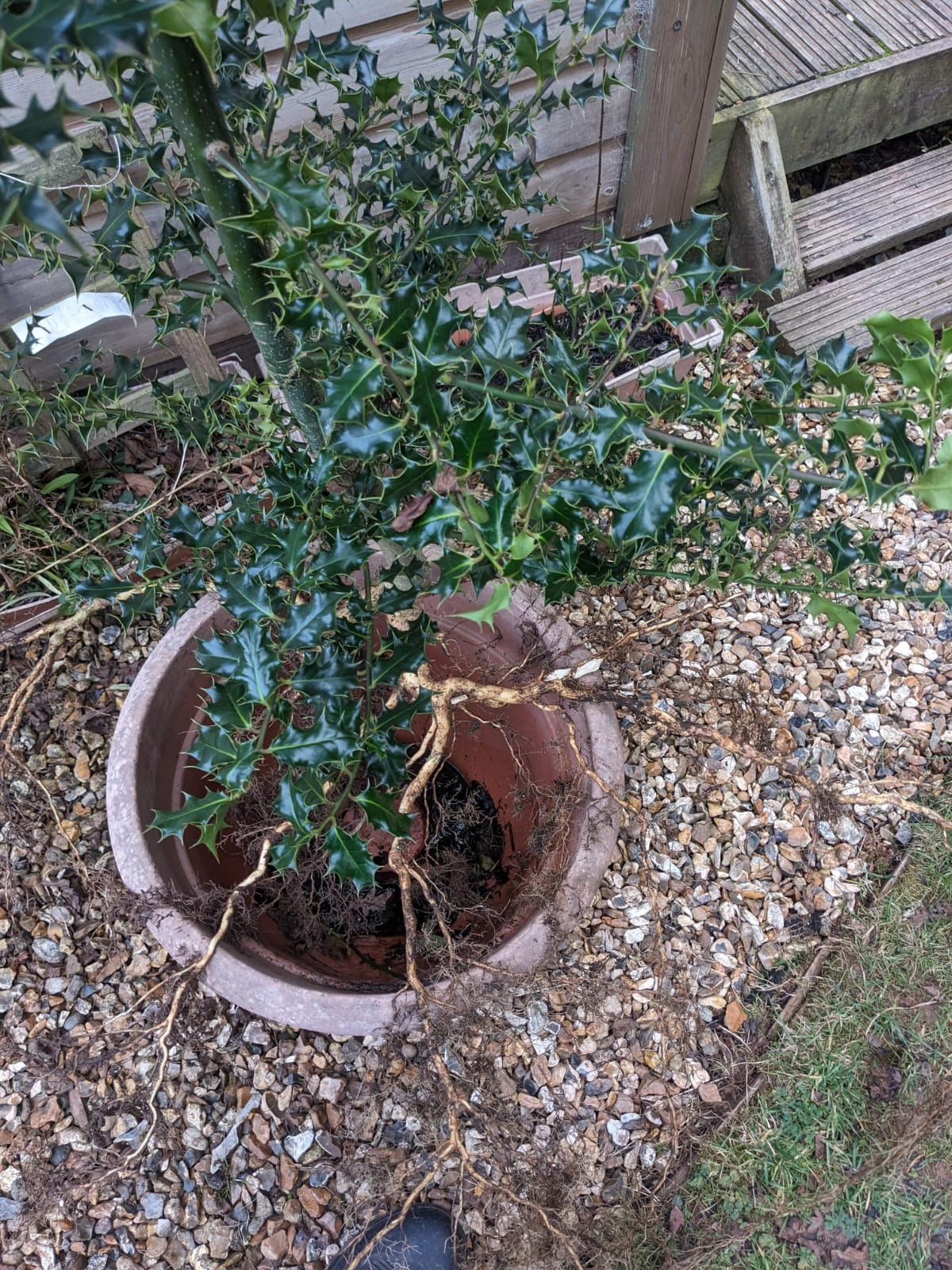
Photos, photos, photos!!!
Storm Isha has just passed through the UK, leaving a trail of damage, including broken and uprooted trees. When a tree is damaged in a storm, it often leaves a mess and there is a desire to tidy up and get damage repaired.
By taking photographs of the tree, roots, branches and the damage, BEFORE it is cleared away, you will have a record of evidence.
This can be really valuable in the event of a claim for compensation, whether made by you or against you. As an investigator of claims involving trees, I find having access to photographs of the tree implicated really useful, especially because often, the site has been cleared before I get to visit.
The failure of a tree in a storm is not necessarily enough to justify a claim. Part of the process is to establish whether the failure was foreseeable.

