
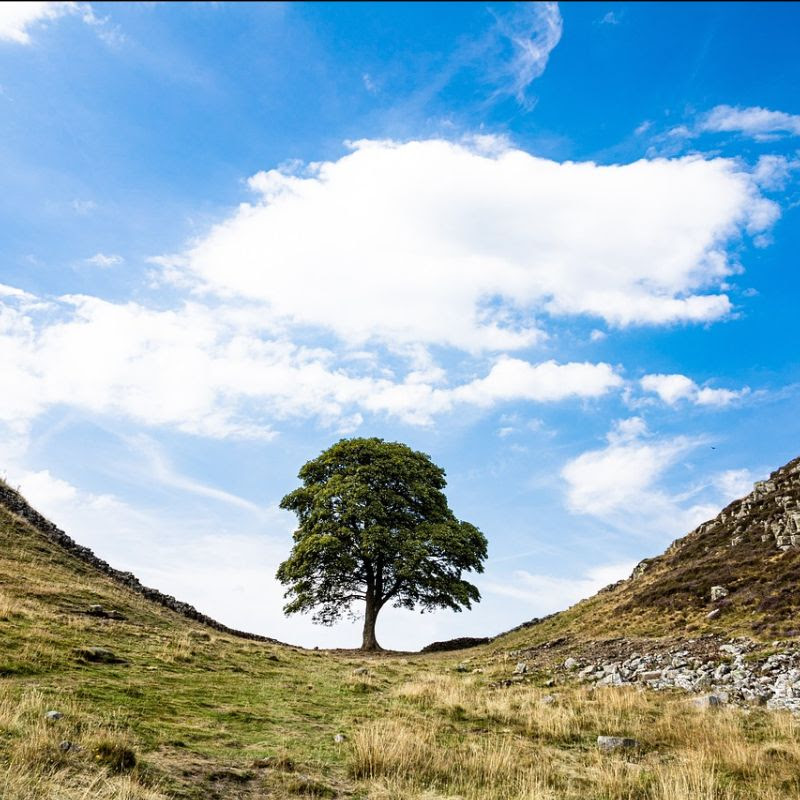
Most conifers are killed by being felled. Yew is one of the exceptions. Often, deciduous trees can recover from being cut to stumps. This includes willow, sycamore and alder. Older, more substantial specimens are more vulnerable to not regrowing. However, the new tree may be much less substantial compared to the original tree.
For some trees, cutting back to stumps which can then re-grow, can enable the tree to live for longer, as it removed weight from the trunk. This includes willow and poplar.
However, when it comes to working with protected trees, a tree does not need to have been killed for the local authority to conclude it has been damaged. It may be sufficient for them to conclude that it is no longer the visually important specimen it once was.
Cedarwood Tree Consultants is a practice of tree consultants who provide technical advice and support for a range of situations.
- Trees & Planning
- Help with Planning Appeals
- Expert Witness Support
- TPO Submissions and Advice
- Planting Schemes Designed
- Amenity Tree Valuations
- Help with Boundary Disputes

